Top 10 Common Home Repairs Bay Area Homeowners Should Never Ignore
There’s a certain kind of Bay Area homeowner logic that goes: “It’s not that bad yet. I’ll deal with it in the spring.” You’ve probably said it yourself. A slow drain, a light switch that sparks when you flip it, a water heater that sounds like it’s auditioning for a percussion section. It feels manageable, until it isn’t.
The Bay Area throws a specific set of challenges at your home. Coastal moisture creeps into walls and crawl spaces. Clay-heavy soil shifts under foundations with every wet season. Older housing stock in neighborhoods like Oakland, San Jose, Daly City, and San Francisco means aging electrical panels, galvanized pipes, and roofing systems that have already lived full lives. And labor costs here are real, which means when something small becomes something catastrophic, the bill is going to hurt.
This guide covers the 10 most common home repairs Bay Area homeowners face, what actually causes them, what usually goes wrong when they’re ignored, and how to handle each one without losing your mind or your savings account.
Why Home Repair Timing Matters More Here Than Anywhere Else
Bay Area homes appreciate it. You already know that. But what a lot of homeowners miss is that deferred maintenance chips away at that appreciation faster than almost anything else. A small leak that costs $400 to fix today can become $8,000 in subfloor damage and mold remediation six months later. In 2024, more than
83 percent of homeowners reported encountering unexpected home repairs, nearly double the rate from the year before, and nearly half of those homeowners spent more than $5,000 on repairs they didn’t plan for.
Most of those surprises weren’t random. They ignored warning signs.
The good news is that the most common home repairs are also the most predictable. If you know what to look for, you can stay ahead of them.
The 10 Most Common Home Repairs Bay Area Homeowners Face
1. Leaky Pipes and Plumbing Failures
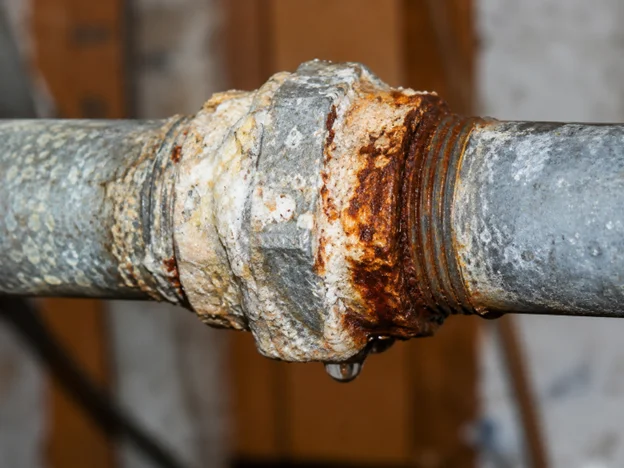
This is the one that sneaks up on people the most. Bay Area homes, particularly those built before the 1980s, often still have galvanized steel or copper pipes that are showing their age. Galvanized pipes corrode from the inside out, which means by the time you notice reduced water pressure or discolored water, the pipe wall is already compromised.
Signs you’re dealing with a plumbing issue:
- Rust-colored water, even briefly after a period of non-use
- Unexplained spikes in your water bill
- Damp patches on ceilings, walls, or under cabinets
- Slow drains in multiple fixtures at once, not just one
What tends to happen when this gets ignored is that a pinhole leak becomes a pipe burst. In the Bay Area’s older housing stock, that often means water traveling between floors or into a crawl space before anyone notices. Mold sets in fast.
If you’re in a home built before 1985, a plumbing inspection is worth doing proactively, not reactively.

2. Electrical Panel and Wiring Problems
This one doesn’t just cost you money when it fails. It’s a safety issue.
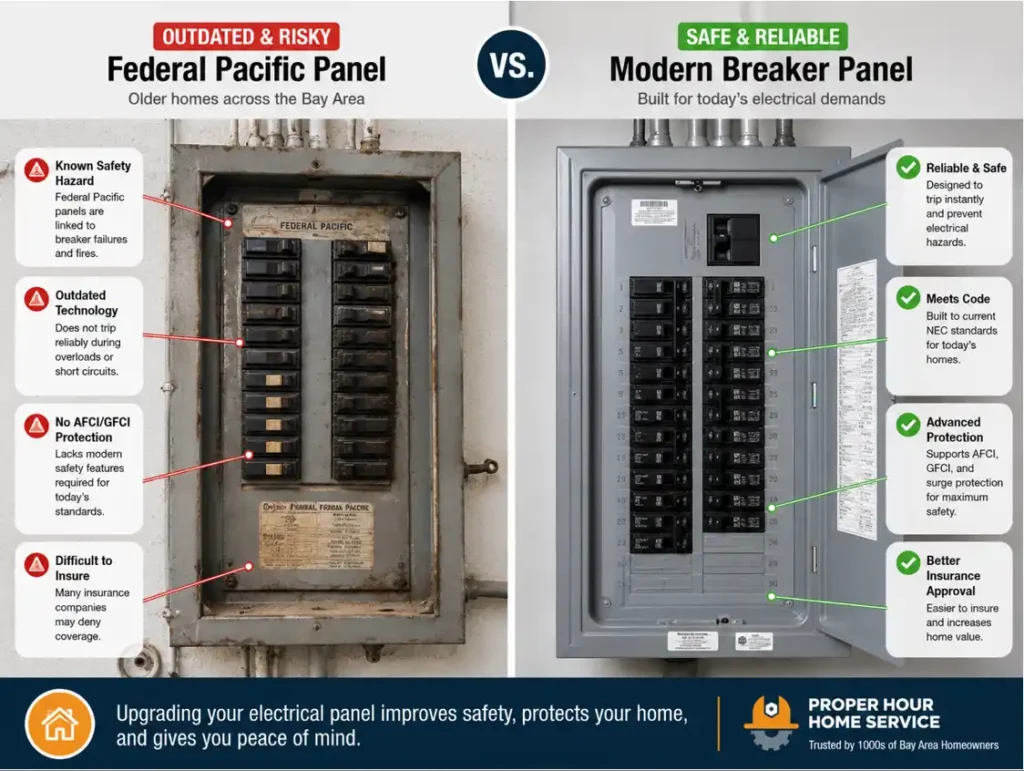
Older Bay Area homes with Federal Pacific or Zinsco panels have been flagged for decades as fire hazards.
Circuit breakers in these panels may not trip correctly under overload conditions, which is the entire reason they exist. If your home has an original panel from the 1960s through 1980s and you’ve never had it evaluated, that’s worth scheduling.
Warning signs that your electrical system needs attention:
- Breakers that trip repeatedly under normal loads
- Outlets or switches that feel warm to the touch or make a buzzing sound
- Flickering lights that don’t correlate with anything obvious
- Burning smell from any outlet, switch, or panel
- Two-prong outlets throughout the home (ungrounded circuits)
The cost to address electrical issues scales dramatically based on how long they’re left. Replacing a faulty outlet is a minor repair. Rewiring a full floor because knob-and-tube wiring has deteriorated behind walls is a major project. The gap between those two scenarios is often just time.
At Proper Hour Home Service, we’ve seen cases where homeowners had been living with an overloaded panel for years without realizing it. A simple evaluation changed everything.
3. Roof Damage and Failing Gutters
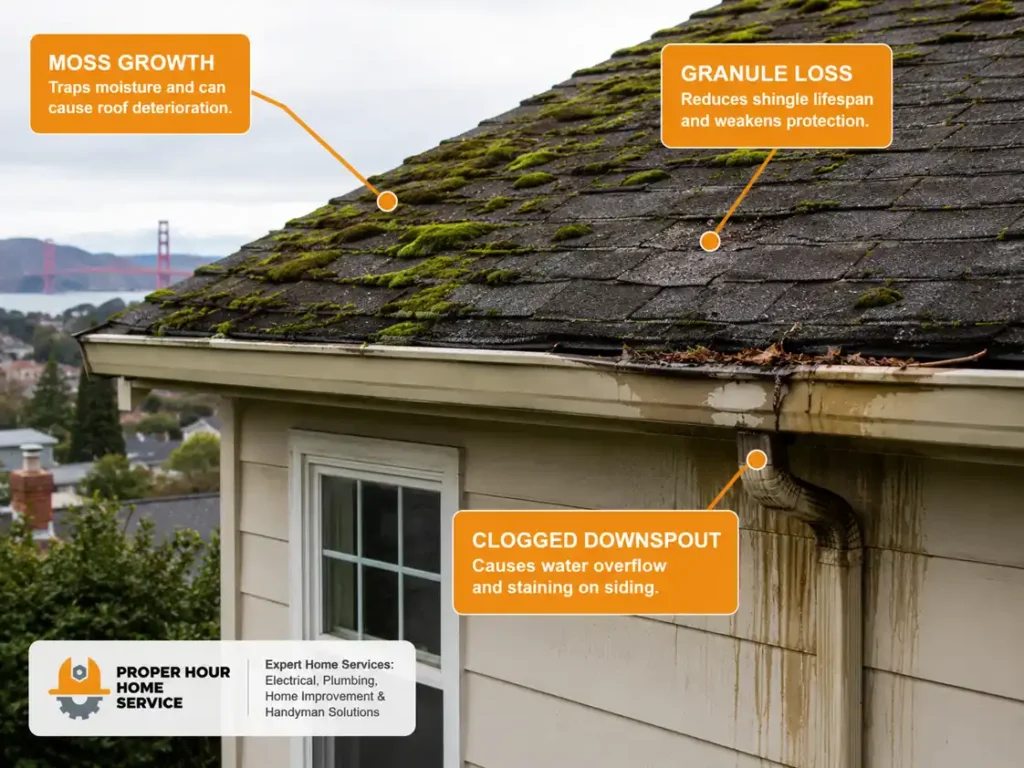
You don’t need a dramatic storm to end up with a compromised roof in the Bay Area. The coastal fog, the wet winters, and the UV intensity in the inland valleys all work on your roofing material constantly. Asphalt shingles that looked fine two years ago can develop micro-cracking and granule loss that lets moisture in gradually.
And the gutters attached to that roof matter just as much. Clogged or improperly pitched gutters send water directly behind your fascia boards and into your siding, or pool it against your foundation during heavy rain.
What to check at least once a year:
- Granules collecting in downspouts or around the base of the home (sign of shingle deterioration)
- Sagging or separated gutter sections
- Water staining on exterior walls below gutter lines
- Any visible daylight from the attic through the roof deck
Roof issues were among the most commonly reported unexpected repairs in 2024, and they were consistently among the most expensive when caught late. A targeted patch job on a problem area costs a fraction of what full replacement does, but the window for that option closes fast.
4. Foundation Cracks and Settlement Issues
The soil throughout the Bay Area, particularly in areas like Fremont, San Jose, and Oakland, is highly expansive clay. It swells when wet and contracts when dry, and it does this every single year. Over time, that movement stresses your foundation.
Not every crack in a foundation is an emergency. Hairline cracks in a concrete slab from normal curing are common and often cosmetic. But certain patterns need professional eyes immediately:
- Horizontal cracks in a concrete block or brick foundation (serious)
- Stair-step cracking in brick or mortar joints
- Cracks wider than 1/4 inch that are actively growing
- Doors or windows that have started sticking without any obvious cause
- Sloping floors in a home that used to be level
Earthquake retrofitting is a related topic that Bay Area homeowners can’t ignore. Older homes built before seismic code updates may not have adequate anchor bolts or caulk plates connecting the structure to its foundation. California’s Earthquake Brace and Bolt program has provided retrofit rebates to thousands of homeowners, and the program continues to run in qualifying zip codes.
5. Water Heater Issues
Your water heater runs every single day. Most homeowners forget it exists until there’s no hot water or, worse, there’s water on the floor around it.
Bay Area water heaters deal with hard water mineral buildup, which shortens the life of the tank and degrades efficiency over time. The sediment that collects at the bottom of the tank is what makes that popping or rumbling sound you’ve probably heard and written off as nothing.
Warning signs worth acting on:
- Water that smells metallic or slightly sulfuric
- Visible rust on the outside of the tank or at connections
- Water temperature inconsistency
- Age of 10 or more years (average tank lifespan is 8 to 12 years)
- Any moisture or pooling around the base
A water heater failure doesn’t always announce itself clearly. Sometimes a slow internal leak damages your subfloor for months before anyone notices. That’s why we offer a free water heater safety inspection with every approved repair at Proper Hour Home Service. It takes a few minutes and gives you a real picture of where things stand.
6. HVAC System Neglect
The Bay Area has a reputation for mild weather, which leads a lot of homeowners to assume their heating and cooling systems don’t need much attention. That assumption is expensive.
Bay Area homes, especially those in the valleys, deal with more extreme temperature swings than people expect. And HVAC systems that run even a moderate amount accumulate dust, wear on belts and motors, and refrigerant issues that reduce efficiency long before they cause a full breakdown.
The most neglected HVAC tasks:
- Filter replacement (should happen every 1 to 3 months depending on system and household)
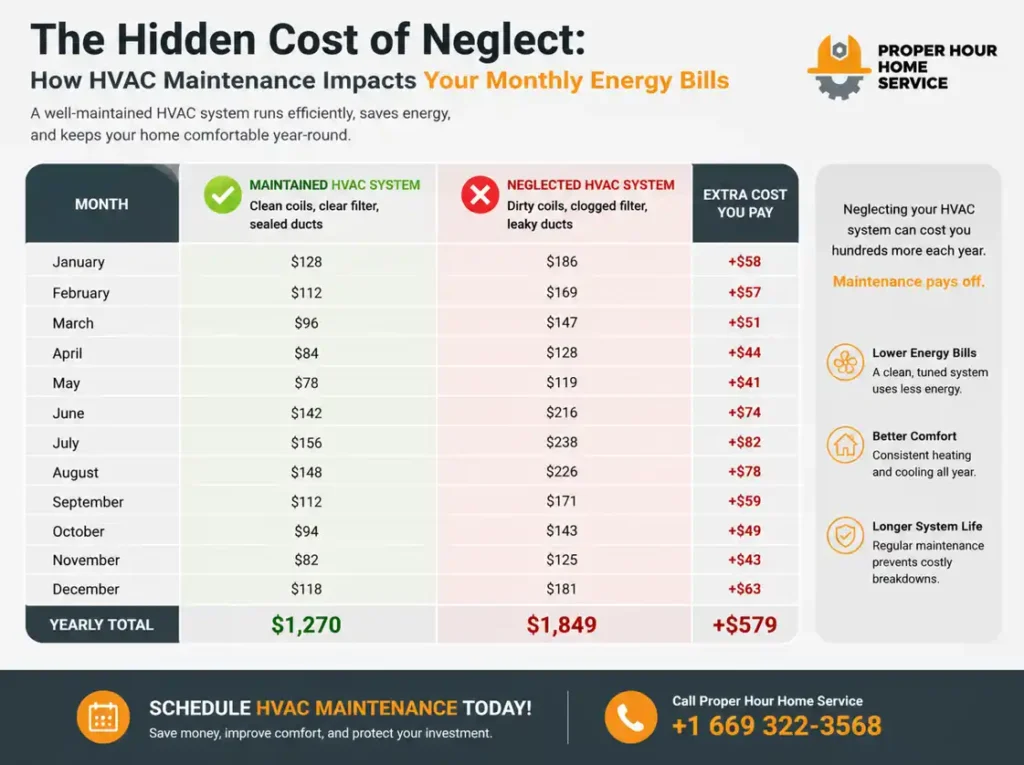
- Coil cleaning (dirty evaporator or condenser coils spike energy use significantly)
- Duct inspection (older homes often have leaky duct runs losing 20 to 30 percent of conditioned air)
- Annual tune-up before heating season
An HVAC system that’s running fine but hasn’t been serviced in three years is running inefficiently and aging faster than it should. The cost of a tune-up is almost always less than one month of excess energy use on a poorly maintained system.
7. Mold and Moisture Damage
This is the repair category that Bay Area homeowners underestimate most consistently.
Coastal fog, foggy microclimates, and older construction with limited vapor barriers create conditions where moisture builds up in crawl spaces, attics, and wall cavities without ever being visible from inside the home. By the time you smell something musty or see a stain, mold growth has usually been happening for a while.
Common locations for hidden moisture problems in Bay Area homes:
- Crawl spaces with inadequate vapor barriers (extremely common in pre-1970s construction)
- Attics with poor or blocked ventilation
- Bathrooms without functional exhaust fans
- Behind walls adjacent to plumbing runs
- Under kitchen or bathroom cabinetry near sink drains
Mold remediation scales with discovery timing. A small contained area found early is a manageable repair. Mold that’s been growing in a wall cavity or under a subfloor for a season is a different conversation entirely.
If you’re buying or already own a home built before 1980, a professional moisture inspection is one of the most practical things you can do before small problems become major ones.
8. Drywall Damage and Damaged Interior Finishes
This one feels minor, and often it is. But drywall damage that gets ignored tells a story that buyers, appraisers, and insurance adjusters notice. More practically, damaged drywall around windows, near plumbing walls, or on exterior-facing walls can signal a moisture issue that’s the actual problem.
Beyond the diagnostic angle, interior finish repairs also include:
- Popcorn ceiling removal (common in Bay Area homes from the 1960s and 70s, some of which contain asbestos and require testing before disturbance)
- Door and window trim damage
- Cracked or settling plaster in older Victorian or Craftsman homes
- Water staining on ceilings after a past roof or plumbing leak
The practical advice here is to not patch over staining without identifying the source first. Painting over a water stain is cosmetic. Fixing the source and then repairing the drywall is the actual solution.
9. Deck and Fence Deterioration
Outdoor structures take a beating in the Bay Area. The combination of coastal salt air, seasonal fog, and direct UV exposure ages wood faster than most homeowners expect. A deck that looks solid can be hiding structural rot in the posts and joists where it’s not visible from above.
What to inspect every 1 to 2 years:
- Ledger board attachment to the house (where most deck failures start)
- Post bases for ground contact rot
- Decking surface boards for soft spots and separation
- Fence posts for wobble and base deterioration
- Any hardware or fasteners showing significant rust
Deck failures cause injuries. This is not a section to skip. If you have a deck that’s more than 10 years old and hasn’t had a structural inspection, schedule one before the next season of heavy use.
10. Clogged or Damaged Drains and Sewer Lines
This is the repair homeowners notice last and regret most.
Slow drains are so easy to write off as normal. They’re not. A drain that’s draining slowly is a drain that’s building toward a backup. In Bay Area homes with mature trees on the lot, root intrusion into sewer laterals is also extremely common. Tree roots follow water, and an aging clay or cast iron sewer line provides both the path and the supply.
Signs your drain and sewer system need attention:
- Multiple drains slowing at the same time
- Gurgling sounds from drains or toilets after using another fixture
- Water backing up in a floor drain when doing laundry
- Sewage odor inside or around the perimeter of the home
- Unusually lush or green patches of grass over your sewer line
A sewer scope inspection runs $150 to $300 in most Bay Area markets and gives you a video of exactly what’s happening inside your lateral. It’s one of the best diagnostic investments a homeowner can make, especially before purchasing a home.
What Home Repair Costs Look Like in the Bay Area
Labor costs here are higher than national averages, which is simply the reality. Skilled labor in the Bay Area typically runs
$90 to $250 per hour depending on the trade, and regulatory requirements around permits, energy standards, and environmental rules add time and cost to many projects. That doesn’t mean you’re at the mercy of the market. It means getting ahead of problems and working with a contractor who gives you real numbers upfront.
| Repair Type |
Typical Bay Area Range |
Ignored Repair Potential Cost |
| Leaky pipe (minor) |
$200 to $600 |
$3,000 to $15,000 (water damage + mold) |
| Electrical panel evaluation |
$150 to $300 |
$8,000 to $30,000 (rewiring or fire damage) |
| Roof patch |
$400 to $1,200 |
$12,000 to $25,000 (full replacement + interior damage) |
| Water heater replacement |
$1,200 to $2,500 |
$5,000+ (subfloor damage from slow leak) |
| HVAC tune-up |
$100 to $250 |
$4,000 to $12,000 (premature unit replacement) |
| Deck inspection and repair |
$500 to $2,500 |
$10,000+ (full rebuild or injury liability) |
What to Actually Look for in a Home Repair Company
Not all contractors operate the same way. In the Bay Area’s competitive service market, you’ll encounter everyone from solo operators with a truck and a phone number to fully licensed, insured, and bonded companies with structured processes.
Here’s what actually matters:
- Licensing: California requires specific licenses for electrical, plumbing, and general contracting work. Ask for the license number and verify it through the CSLB (Contractors State License Board).
- Insurance: General liability and workers’ comp protect you if something goes wrong on your property.
- Background-checked technicians: You’re letting someone into your home. This matters.
- Warranty coverage: A company that stands behind its work should offer it in writing.
- Transparent pricing: Flat-rate or itemized estimates before any work begins. No vague “we’ll see how it goes” conversations.
At
Proper Hour Home Service, every technician is trained, background checked, and licensed. We’re a licensed, bonded, and insured contractor for electrical, plumbing, and handyman work throughout the Bay Area. We’re also certified and trained by the most trusted brands in the industry, and we back our work with up to 12 years of labor and parts warranty on residential electrical, plumbing, home improvement, and appliance services.
That’s not a standard offer in this market. Most contractors offer 1 year. We offer up to 12 because we believe the work should hold.
Current Offers Available for Bay Area Homeowners
If you’ve been putting off a repair because of the cost, this is a good time to move on it.
Proper Hour Home Service is currently offering:
- Free service call with approved repairs (that’s the diagnostic visit, at no charge)
- Free water heater safety inspection
- Free design meeting and 3D renderings for home improvement projects
- $5 off your next repair
- Cashback on qualifying repair services
These aren’t limited-time gimmicks. They’re part of how we make expert home service accessible to more Bay Area homeowners, not just people who can absorb a surprise $5,000 bill without flinching.
Is It Worth Hiring a Pro or Can You DIY It?
Honest answer: it depends on the repair category.
Some repairs genuinely are DIY-friendly with the right tools and a careful approach. Others carry real consequences if something goes wrong. Here’s a quick breakdown:
| Repair |
DIY Friendly? |
Why It Matters |
| Replacing a faucet or showerhead |
Yes, usually |
Low risk, reversible |
| Patching small drywall holes |
Yes |
Cosmetic, low stakes |
| Electrical panel work |
No |
Permit required; fire/shock risk |
| Sewer line repair |
No |
Health hazard; permit required |
| Water heater replacement |
No in most cases |
Gas lines, code compliance, permits |
| Roof repair beyond basic resealing |
No |
Fall risk; warranty implications |
| Foundation work |
No |
Structural consequences |
The general rule is this: if it requires a permit, or if doing it wrong creates a safety risk or voids an insurance claim, you want a licensed pro.
How to Build a Home Repair Checklist That Actually Works
A good home maintenance and repair checklist doesn’t have to be overwhelming. It just has to be consistent. Here’s a framework that works for most Bay Area homes:
Monthly
- Check under sinks for moisture or slow drips
- Test GFCI outlets in bathrooms, kitchen, and garage
- Clear debris from gutters if you have significant tree cover
Every 6 Months
- Change HVAC filters
- Test smoke and CO detectors
- Check caulking around tubs, showers, and window frames
- Run water in infrequently used drains to prevent p-trap evaporation
Annually
- Full gutter cleaning and inspection
- Roof visual inspection (binoculars from the ground works)
- Check deck boards and post bases
- Flush water heater tank to clear sediment
- Have electrical panel inspected if you’re in an older home
Every 3 to 5 Years
- Sewer scope inspection
- Crawl space moisture and vapor barrier check
- HVAC system comprehensive service
- Exterior paint and caulking inspection
Get a Free Service Call Today, No Strings Attached
Your home is telling you something. Stop guessing and get a real answer from a licensed, background-checked technician who will show up, assess what’s going on, and give you straight numbers before any work begins.
Free service call with any approved repair. No vague estimates. No surprise add-ons.
Call us now: +1 669 200-1755
Email: support@proper-handyman.com
Book online: proper-handyman.com
Frequently Asked Questions About Home Repairs in the Bay Area
How much do common home repairs cost in the Bay Area?
Costs vary significantly by repair type. Minor plumbing repairs often run $200 to $600. Electrical work ranges from $150 for a simple outlet replacement to several thousand for panel upgrades or rewiring. HVAC service is typically $100 to $400 for a tune-up. The Bay Area’s labor market means costs run 20 to 40 percent higher than national averages, which makes early intervention even more valuable since small problems don’t stay small for long.
What home repairs require a permit in California?
Most structural, electrical, plumbing, and HVAC work requires a permit in California. This includes panel replacements, water heater installations, sewer line repairs, room additions, deck construction, and any work that changes a home’s structural elements. A licensed contractor will pull the required permits on your behalf. If someone offers to skip the permit to save money, that’s a risk you should understand, including how it affects your home’s resale and your insurance coverage.
How do I know if my Bay Area home needs rewiring?
Homes built before 1970 should be evaluated. Specific red flags include aluminum wiring (used in some homes from the late 1960s), knob-and-tube wiring, two-prong outlets throughout the home, breakers that trip frequently, or a Federal Pacific or Zinsco panel. A licensed electrician can assess your system and tell you exactly what you’re working with.
What is the most common home repair homeowners put off?
Based on what we see consistently in the Bay Area, the most deferred repairs are slow plumbing leaks, roof maintenance, HVAC servicing, and foundation crack evaluation. All four share something in common: the symptoms are easy to normalize until they’re impossible to ignore.
How long does a typical home repair take to complete?
It depends on the repair. Minor plumbing and electrical repairs are often same-day or next-day. More involved work like water heater replacement, panel upgrades, or drywall repairs typically takes 1 to 2 days. Foundation work, sewer line replacement, or HVAC replacement may take several days to a week depending on scope and permit timelines.
Is it safe to DIY electrical repairs in California?
Most electrical repairs beyond replacing a light fixture or outlet cover require a permit and licensed work in California. Even work that technically can be done by a homeowner on their own property carries real risk if done incorrectly. Improperly wired circuits are a leading cause of house fires. If there’s any uncertainty about the scope or complexity of an electrical issue, licensed work is the safer choice.
How do I find a reliable home repair contractor in the Bay Area?
Start with the California Contractors State License Board at cslb.ca.gov to verify licensing. Look for contractors who are bonded and insured, offer written estimates before work begins, and provide a meaningful warranty on their work. Reviews matter, but check for patterns rather than individual comments. Thousands of homeowners have trusted Proper Hour Home Service because our licensing, background-checked technicians, and up to 12-year warranty give them something concrete to rely on.
What does a free service call include?
At Proper Hour Home Service, a free service call with approved repairs means a trained technician comes to your home, evaluates the issue, and gives you a clear diagnosis and written estimate before any work begins. There’s no charge for the visit when you proceed with the repair. This makes it easier to get real information without committing to something you haven’t had a chance to review.
How often should a water heater be inspected?
Annually is a good baseline. Bay Area water quality tends to be harder than many homeowners realize, and mineral buildup in tanks accelerates wear. If your water heater is older than 8 years, more frequent checks are smart. We offer a free water heater safety inspection with every approved repair, so there’s no reason to leave that question unanswered.
What is the biggest mistake Bay Area homeowners make with home maintenance?
Waiting. Not because they don’t care, but because life is busy and the problem doesn’t look urgent yet. The repairs on this list that cost the most money are almost never big problems when they start. They’re small problems that became expensive because timing slipped. The most cost-effective home maintenance strategy is consistent attention, not heroic intervention after the fact.