




Emergency HVAC Installation Fremont | Fast Home Comfort Solutions
Few household problems become urgent as quickly as a heating or cooling system failure. When your HVAC system stops working during extreme temperatures, your home’s comfort can disappear within hours. For families with young children, older adults, or anyone working from home, waiting several days for a replacement often isn’t a practical option.
That’s why many homeowners search for emergency HVAC installation in Fremont instead of scheduling a standard replacement weeks later.
Knowing when an HVAC emergency truly requires immediate installation—and what to expect throughout the process—can help you make confident decisions during a stressful situation.
What Qualifies as an HVAC Installation Emergency?
Not every HVAC problem requires replacing the entire system right away.
Some issues can be repaired, while others indicate that installing a new system is the safer and more practical solution.
Emergency installation may become necessary when:
- The system has completely stopped operating.
- Major components have failed beyond practical repair.
- The unit repeatedly shuts down after restarting.
- The equipment is no longer providing heating or cooling.
- Repairs would cost nearly as much as replacement.
- The system has become unreliable during extreme temperatures.
A professional inspection helps determine whether repair or replacement is the better long-term investment.
Signs Your HVAC System May Need Immediate Replacement
Many HVAC systems show warning signs before they fail completely.
Ignoring these symptoms often leads to more expensive problems later.
Common indicators include:
- Warm air coming from the air conditioner.
- Little or no airflow.
- Unusual grinding, banging, or screeching sounds.
- Burning odors.
- Frequent system shutdowns.
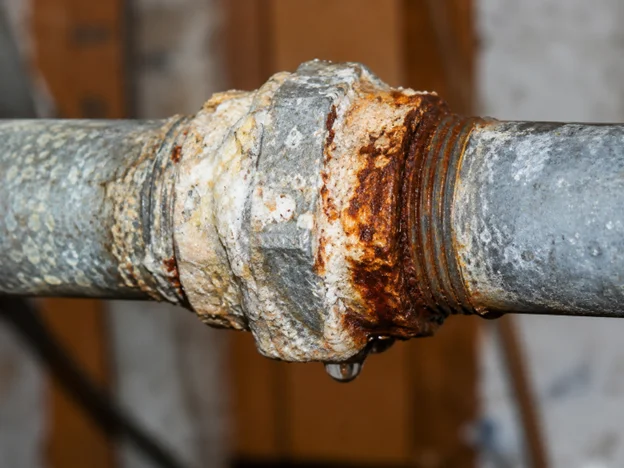
- Water leaking around the indoor unit.
- Uneven temperatures throughout the home.
- Constant cycling on and off.
If several of these issues occur together, the system may be approaching the end of its service life.
Why Delaying Installation Can Create Bigger Problems
It’s understandable to hope an aging HVAC system will keep working for just a little longer.
Unfortunately, delaying replacement after a major failure can create additional challenges.
Homeowners may experience:
- Poor indoor comfort.
- Increased energy consumption.
- More expensive emergency repairs.
- Additional strain on remaining HVAC components.
- Reduced indoor air circulation.
Replacing a failing system before repeated breakdowns occur often reduces long-term inconvenience.
What Happens During an Emergency HVAC Installation?
Many homeowners worry that replacing an HVAC system is a complicated process.
While every home is different, the installation generally follows a clear sequence.
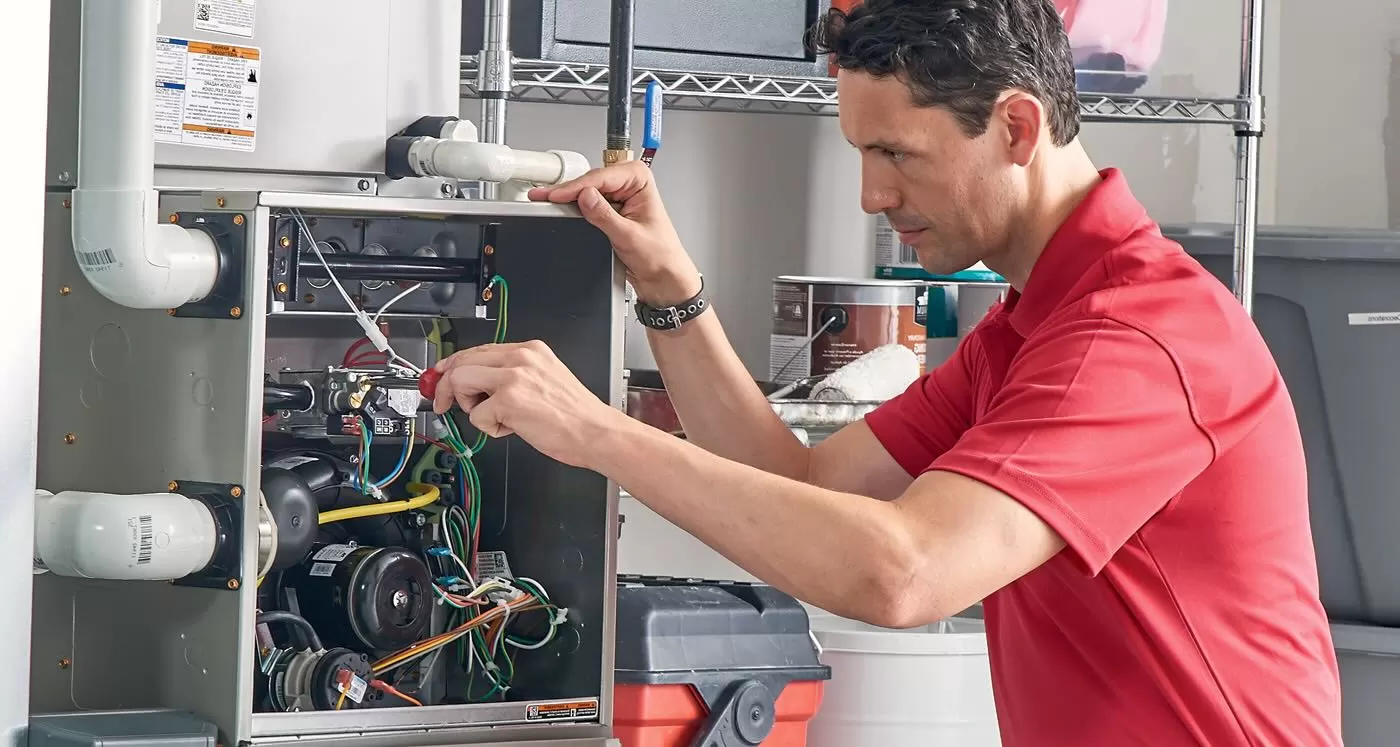
The process often includes:
- Evaluating the existing HVAC equipment.
- Confirming whether replacement is necessary.
- Selecting equipment appropriate for the home’s size.
- Removing the old system.
- Installing new components.
- Testing airflow and overall system operation.
- Verifying that heating and cooling functions operate correctly.
Understanding these steps helps homeowners know what to expect before work begins.
Choosing the Right HVAC System

Installing a replacement system isn’t simply about choosing the largest unit available.
Oversized and undersized systems can both reduce efficiency and comfort.
Professionals typically evaluate factors such as:
- Home size.
- Existing ductwork.
- Indoor airflow.
- Insulation.
- Cooling and heating demands.
- Energy efficiency preferences.
Proper sizing helps the new equipment operate more effectively throughout the year.
How Homeowners Can Prepare Before Installation
Although technicians handle the installation itself, homeowners can make the process easier by preparing the work area beforehand.
Helpful steps include:
- Clearing access to indoor HVAC equipment.
- Removing stored items around the outdoor unit.
- Securing pets during installation.
- Writing down any recent performance issues.
- Ensuring someone is available to answer questions during the appointment.
Small preparations help the installation proceed more efficiently.
Preventing Future HVAC Emergencies
No HVAC system lasts forever, but regular maintenance can often identify small problems before they become major failures.
Simple habits that support system performance include:
- Replacing air filters regularly.
- Keeping outdoor equipment free from debris.
- Scheduling routine inspections.
- Monitoring unusual noises or odors.
- Addressing minor repairs promptly.
Preventive maintenance cannot eliminate every emergency, but it can reduce the likelihood of unexpected breakdowns.
Choosing Emergency HVAC Installation in Fremont
When time matters, homeowners benefit from working with professionals who can quickly evaluate the situation and explain available options.
Rather than automatically recommending replacement, experienced technicians first determine whether repair is practical or if installing new equipment offers the better long-term solution.
Clear communication and a thorough evaluation help homeowners make informed decisions during stressful situations.
Suggested Internal Links:
- Emergency HVAC Installation → Service Page
- HVAC Repair → Service Page
- HVAC Maintenance → Service Page
- Heating Services → Service Page
- Air Conditioning Services → Service Page
- Electrical Services → Service Page
- Plumbing Services → Service Page
- About → About Page
- Contact → Contact Page
Don’t Wait Until Comfort Becomes an Emergency
An unexpected HVAC failure can disrupt your entire household, especially during periods of extreme weather.
Understanding the warning signs, acting quickly, and working with experienced professionals can help restore comfort while preventing additional complications.
FAQ
How do I know if I need emergency HVAC installation?
If your HVAC system has completely stopped working, major components have failed, or repairs are no longer practical, immediate replacement may be the best solution.
Can every HVAC system be repaired?
No. Some systems have damage or wear that makes replacement a more practical long-term option than repeated repairs.
How long does HVAC installation usually take?
Installation time varies depending on the home’s existing equipment and the complexity of the project, but technicians can explain the expected timeline after evaluating the system.
Should I replace my HVAC system after multiple breakdowns?
Frequent repairs often indicate that the system is nearing the end of its service life. A professional inspection can help determine whether replacement makes better financial sense than continuing repairs.
What This Means for You
A failed HVAC system rarely happens at a convenient time, but understanding your options can make the situation far less overwhelming. Emergency HVAC installation isn’t simply about replacing equipment quickly—it’s about restoring a safe, comfortable living environment while choosing a system that meets your home’s long-term needs.
If you’re considering emergency HVAC installation in Fremont, discussing your situation with a qualified technician can help you determine the most appropriate solution and get your home comfortable again as soon as possible.